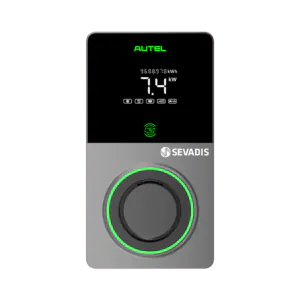
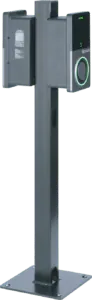
Gen2 Project Pillar Smart AC 7kW

AC Chargers
Perfect for workplace, shared residential, and fleet environments. Featuring on-screen charging insights, MID metering, and seamless back-office integration for energy and cost control.
MaxiCharger Gen2 7.4kW Digital AC with MID Meter
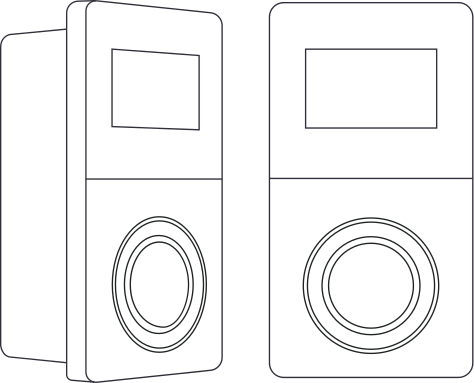
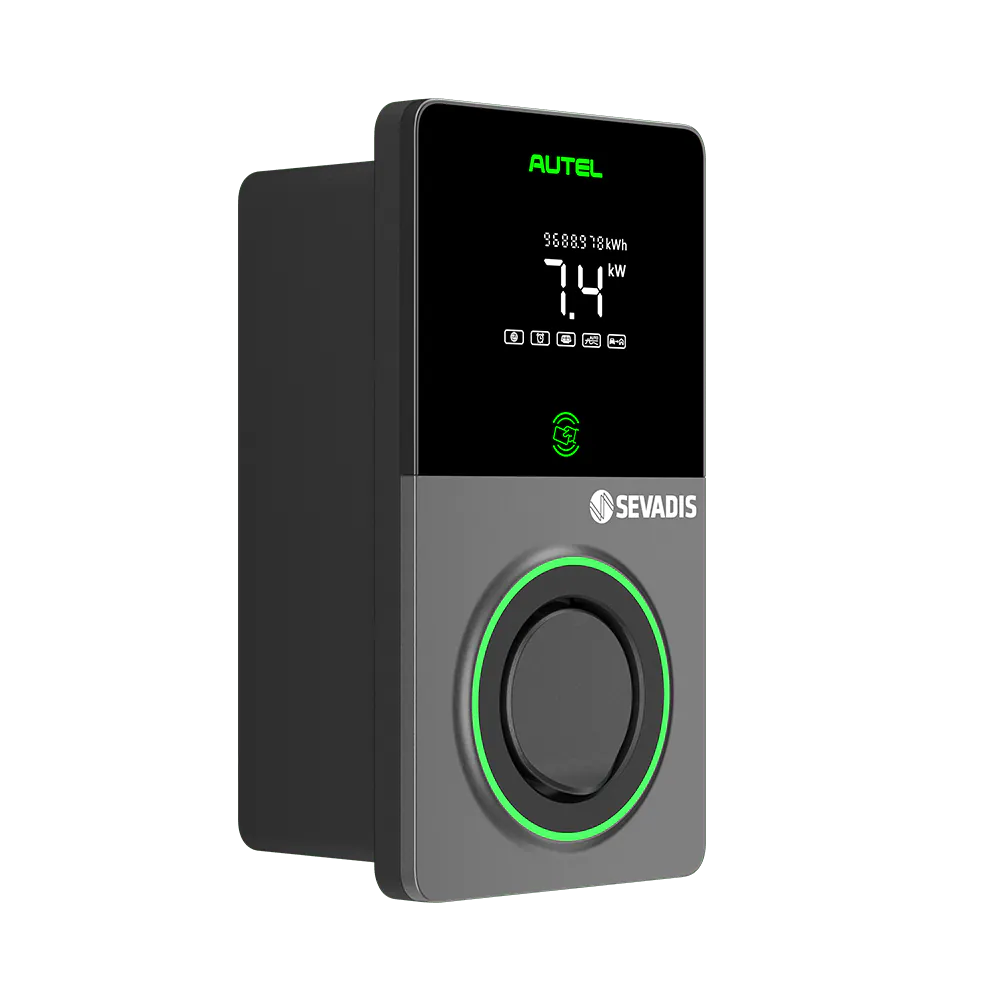
This EV Charger with a MID Meter is MID-compliant and provides accurate energy measurement for reliable billing every time. Controlled and monitored EV charging for your workplace. Control all your EV chargers from a single back-office management platform. SmartCloud enables seamless integration with your preferred OCPP-compatible software, allowing
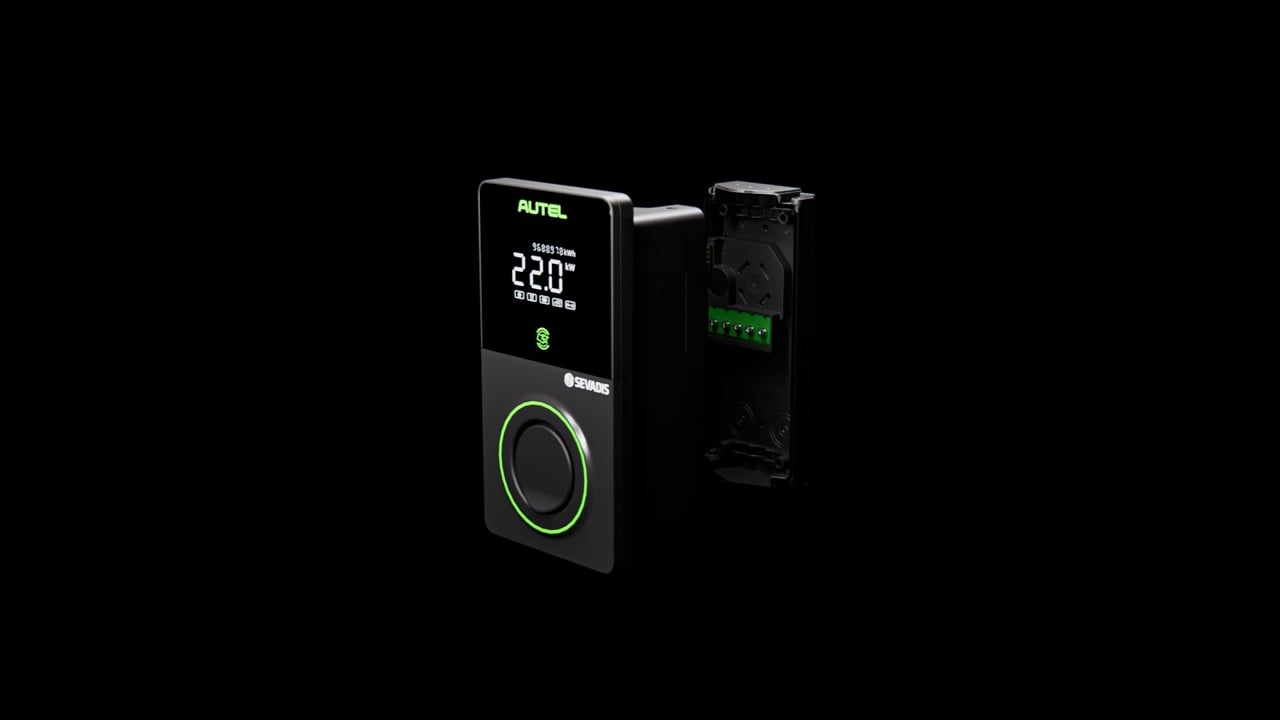
you to manage user access, billing, tariffs and expenses while monitoring energy usage to support operational efficiency and ESG reporting. We also have a 22kW version of this model.
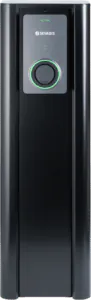
Have a look at our AC models with screens and optional pillar housing.
View Chargers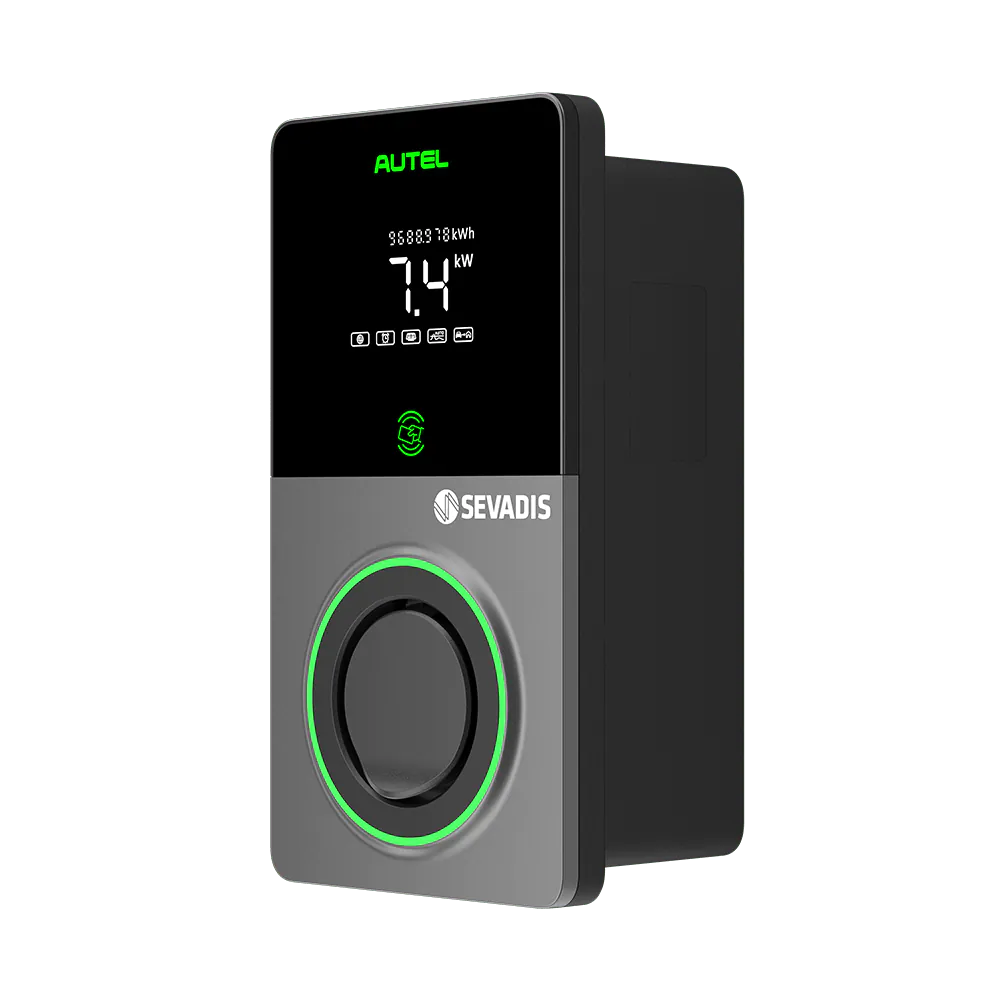
Pricing models, payment options (Google Pay, Apple Pay, credit card, team wallet, charging cards), dynamic pricing, membership models, booking system, user management, fleet tracking, custom user experience, app integration (e.g. Zapmap), LCD advertising revenue, charger health monitoring.
Are you an installer looking for more information? Contact the Sevadis support team for expert advice and assistance.
Installer SupportSevadis recommends considering MaxiCharger Gen2 Digital Screen or LCD chargers for workplace charging, with output selected around parking time, vehicle capability and available power. Digital models include 7.4kW and 22kW options; the overview lists a 22kW LCD model. For multiple bays, add appropriate load management and a compatible back office for employee access, tariffs and monitoring.
The right number depends on how many employees drive EVs, their daily energy needs and whether bays are shared during the day. Sevadis recommends reviewing current demand, visitor use and future growth before specifying MaxiCharger Gen2 bays. Check the energy the site can deliver as well as the number of sockets. Spare infrastructure can make later expansion easier.
All Sevadis MaxiCharger models with a screen feature MID metering as standard, across both the AC and DC charging ranges.
This includes MaxiCharger Gen2 AC Digital and LCD models, as well as screen-equipped DC chargers.
MID metering provides accurate measurement of the energy delivered to the vehicle, which is particularly important for commercial and public charging applications where users are billed based on their kWh consumption.
For installations that require energy monitoring, reporting or paid charging, Sevadis can help specify the appropriate charger and back-office configuration.
Not every application requires MID-certified metering, but it becomes particularly important where the electricity consumed through the charger needs to be measured accurately for billing, reimbursement or commercial reporting. Compatible MaxiCharger LCD models incorporate MID-certified metering to support these applications
EV charger load balancing controls how available electrical capacity is shared between charge points. Dynamic load balancing also monitors wider site demand and adjusts charging power as that demand changes. Sevadis MaxiCharger Gen2 supports load-management arrangements including SmartBox for site energy monitoring. This can help a site accommodate more charging bays within its available capacity, subject to the vehicles’ energy and parking requirements.
Yes. Sevadis MaxiCharger Gen2 can be connected to a compatible back-office platform, allowing businesses and charge point operators to offer paid EV charging.
Through SmartCloud and OCPP integration, customers have the flexibility to connect their Sevadis charging network to a compatible back-office provider of their choice, rather than being tied to a single platform.
Depending on the chosen back-office platform, operators can manage charging tariffs, payment methods, user access, monitoring, reporting and customer services across their charging network.
Screen-equipped MaxiCharger Gen2 AC models also feature MID-compliant metering, supporting accurate measurement of the energy delivered for billing and reporting purposes.
For public charging installations, the appropriate payment, pricing, accessibility and operational requirements should also be considered before the service goes live.
OCPP – Open Charge Point Protocol – is an open communication standard that enables EV chargers to connect with compatible charge point management and back-office systems. Using an open protocol gives businesses greater freedom when selecting software, billing and management providers and helps avoid unnecessary dependence on a single closed ecosystem.
Yes. The Sevadis MaxiCharger Gen2 range supports OCPP connectivity, with support for OCPP 1.6 and, on selected models, OCPP 2.0.1 and 2.1.
Screen-equipped MaxiCharger Gen2 AC commercial models support OCPP 1.6 and OCPP 2.0.1, providing greater flexibility when connecting to compatible EV management and back-office platforms through SmartCloud.
The MaxiCharger Gen2 Screenless supports OCPP 1.6.
The OCPP version used should be matched with the capabilities of the selected back-office platform and charger configuration.
SmartCloud enables compatible Autel chargers to connect with a chosen charge point management or back-office platform using open OCPP connectivity. Supporting OCPP versions from 1.6 through to 2.1 across compatible products and configurations, it provides the communication layer required for functions including remote charger management, billing, monitoring and fleet operation.
Yes. Sevadis MaxiChargers can connect to compatible third-party EV management and back-office platforms through SmartCloud using OCPP.
This gives customers the flexibility to choose the back-office provider that best suits their charging network and operational requirements, rather than being tied to a single platform.
Compatible platforms can provide services such as payments and tariffs, user management, energy reporting, charger monitoring, fleet management and multi-site control.
Platforms such as Monta, Fuuse and Tap are examples of back-office providers that can be used with Sevadis charging infrastructure, with other compatible OCPP platforms also available.
The most appropriate platform can be selected around the specific charger configuration, site requirements and management features required.
Premium 7kW workplace charger