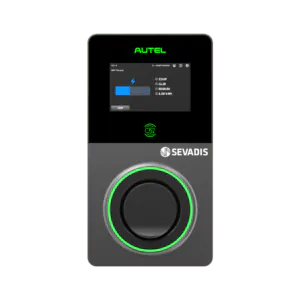
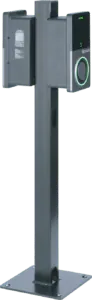
Gen2 Project Pillar Smart LCD AC 22kW

AC Chargers
Perfect for workplace, shared residential, and fleet environments. Featuring on-screen charging insights, MID metering, and seamless back-office integration for energy and cost control.
MaxiCharger Gen2 22kW AC with LCD Touchscreen
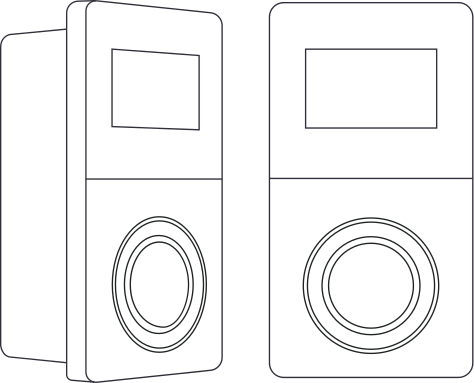
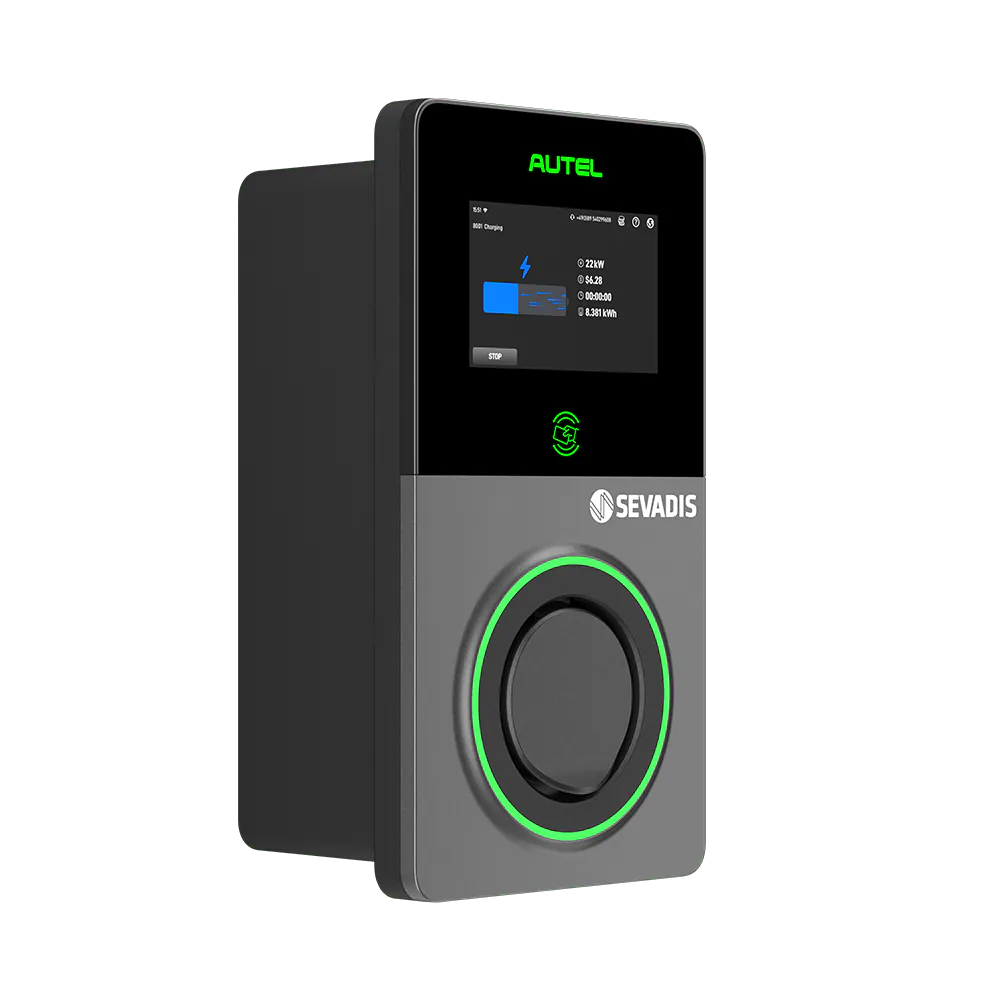
Visualise every charge. Ideal for locations where users need clear, intuitive guidance on how to start, monitor and stop a charging session.
The premium ev charger 22kW with touchscreen option in the AC range replaces the standard digital display with a full-colour LCD touchscreen, providing real-time charging information and an advertising-ready display. With the same SmartCloud fleet management, MID metering and back-office integration as the Digital models, it’s ideal for commercial locations looking to combine a seamless charging experience with additional revenue opportunities.
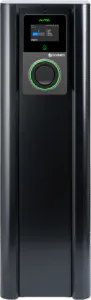
Also available as a charging pillar in dual, triple and quad configurations.
View Pillar Version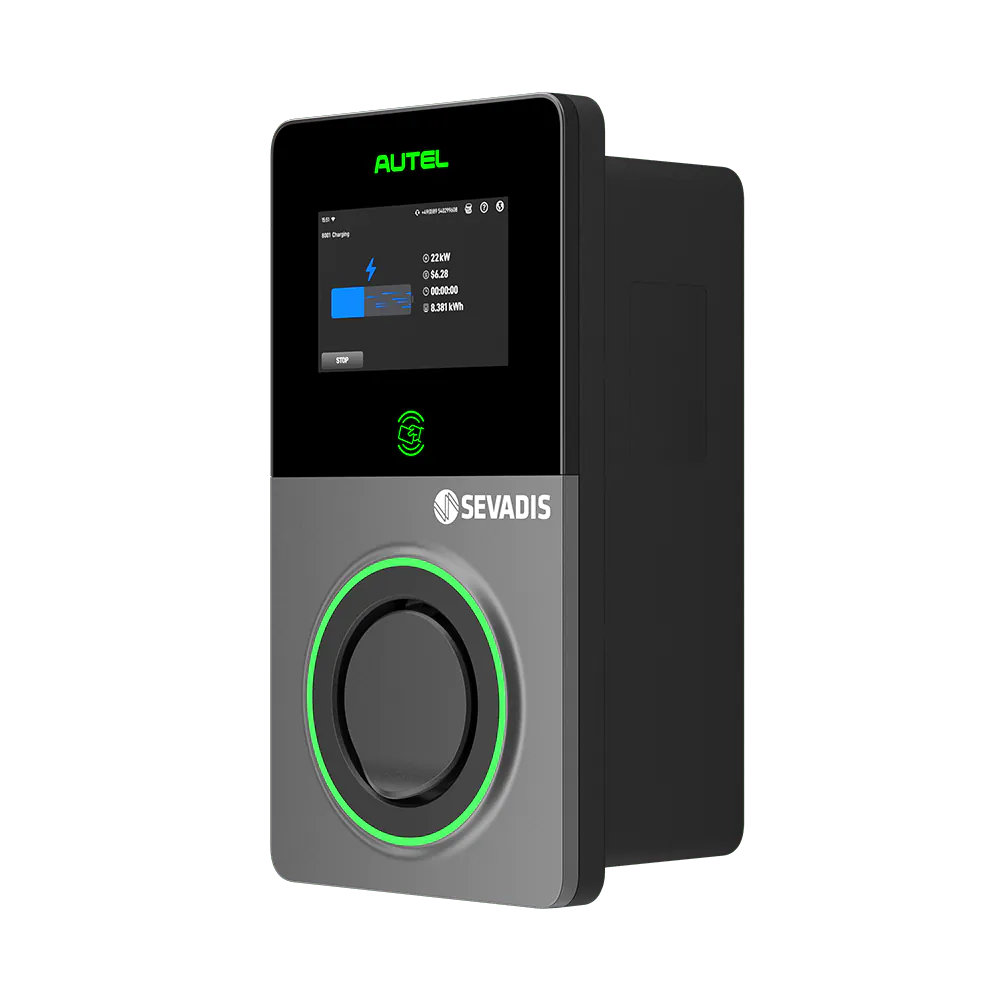




Turn idle waiting time into revenue. The vibrant LCD screen puts a brand front and centre for a highly engaged audience with time to spare – drivers check the screen throughout their charge, guaranteeing message viewing and driving footfall to nearby businesses.
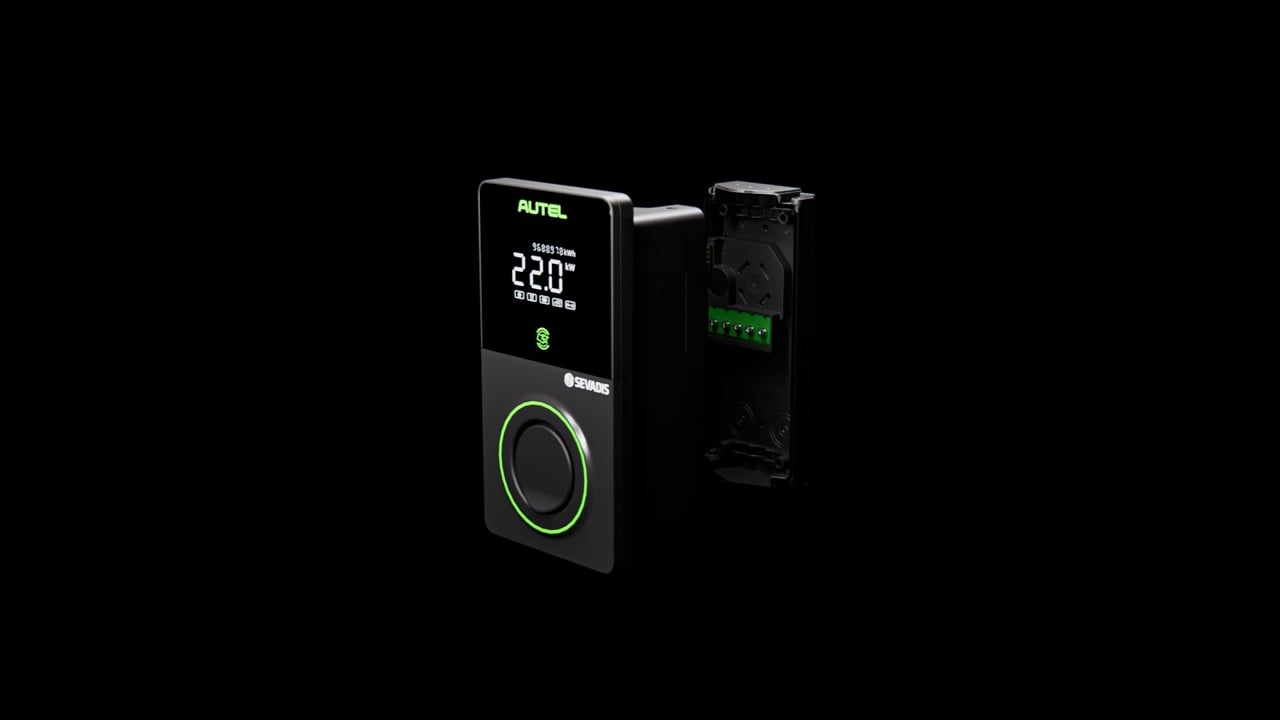
The MaxiCharger Smart AC Digital and LCD 22kW models are ideal for workplace, fleet and shared parking environments. Featuring charging insights, MID-certified metering on applicable models, RFID user authentication and open OCPP connectivity, the platform supports custom billing, user management, fleet charging and multi-site management through leading charge point management systems.
Dynamic load balancing, solar integration, PME fault detection and intelligent energy management further support safe and scalable commercial charging.
Several Sevadis chargers feature large LCD screens capable of displaying advertising, promotional and branded content.
The MaxiCharger Gen2 AC LCD provides a large-format screen for commercial, workplace, retail and public charging locations, while the Sevadis DC range also features integrated LCD displays.
For public and destination charging, the DC Compact and DC DH 80–240kW are particularly well suited, combining faster DC charging with prominent screens that can be used to display advertising, promotions and branded content while customers charge.
This gives site operators an additional customer touchpoint and the opportunity to promote their own products and services or generate advertising revenue from the charging infrastructure.
For sites that do not require advertising functionality, the MaxiCharger Gen2 Digital provides a smaller display focused primarily on charging information and user interaction.
Sevadis recommends considering MaxiCharger Gen2 Digital Screen or LCD chargers for workplace charging, with output selected around parking time, vehicle capability and available power. Digital models include 7.4kW and 22kW options; the overview lists a 22kW LCD model. For multiple bays, add appropriate load management and a compatible back office for employee access, tariffs and monitoring.
The choice between AC and DC charging largely depends on how long vehicles are parked and how quickly they need to be back on the road.
AC charging is ideal where vehicles are parked for longer periods, such as overnight at a depot or throughout the working day in a staff car park. The longer dwell time allows vehicles to recover the energy they need without requiring high charging speeds.
DC charging is designed to deliver much higher power directly to the vehicle, making it better suited to short turnaround times where vehicles need to recharge quickly and return to operation as soon as possible.
Many fleet and depot sites can use a combination of AC and DC charging, matching charging speed to vehicle dwell times, daily mileage, operational requirements and available site power.
Sevadis recommends selecting fleet charging around daily energy use, parking time and departure deadlines. MaxiCharger Gen2 AC can suit vehicles parked for longer periods, while Sevadis DC charging can support vehicles needing faster turnaround. Many depots need a combination. Assess site power, vehicle charging limits and operational resilience before choosing charger quantities and outputs.
OCPP – Open Charge Point Protocol – is an open communication standard that enables EV chargers to connect with compatible charge point management and back-office systems. Using an open protocol gives businesses greater freedom when selecting software, billing and management providers and helps avoid unnecessary dependence on a single closed ecosystem.
Yes. The Sevadis MaxiCharger Gen2 range supports OCPP connectivity, with support for OCPP 1.6 and, on selected models, OCPP 2.0.1 and 2.1.
Screen-equipped MaxiCharger Gen2 AC commercial models support OCPP 1.6 and OCPP 2.0.1, providing greater flexibility when connecting to compatible EV management and back-office platforms through SmartCloud.
The MaxiCharger Gen2 Screenless supports OCPP 1.6.
The OCPP version used should be matched with the capabilities of the selected back-office platform and charger configuration.
SmartCloud enables compatible Autel chargers to connect with a chosen charge point management or back-office platform using open OCPP connectivity. Supporting OCPP versions from 1.6 through to 2.1 across compatible products and configurations, it provides the communication layer required for functions including remote charger management, billing, monitoring and fleet operation.
Yes. Sevadis MaxiChargers can connect to compatible third-party EV management and back-office platforms through SmartCloud using OCPP.
This gives customers the flexibility to choose the back-office provider that best suits their charging network and operational requirements, rather than being tied to a single platform.
Compatible platforms can provide services such as payments and tariffs, user management, energy reporting, charger monitoring, fleet management and multi-site control.
Platforms such as Monta, Fuuse and Tap are examples of back-office providers that can be used with Sevadis charging infrastructure, with other compatible OCPP platforms also available.
The most appropriate platform can be selected around the specific charger configuration, site requirements and management features required.
A MID meter is an approved electricity meter that accurately measures the amount of energy delivered through an EV charger.
This is particularly important where drivers are charged based on the number of kWh they use, providing an accurate and transparent measurement for billing.
Screen-equipped Sevadis MaxiCharger Gen2 AC models include MID metering as standard, making them suitable for commercial, workplace and public charging applications where accurate energy measurement and billing are required.
EV charger load balancing controls how available electrical capacity is shared between charge points. Dynamic load balancing also monitors wider site demand and adjusts charging power as that demand changes. Sevadis MaxiCharger Gen2 supports load-management arrangements including SmartBox for site energy monitoring. This can help a site accommodate more charging bays within its available capacity, subject to the vehicles’ energy and parking requirements.
Load balancing is recommended for installations with multiple EV chargers and is a crucial part of planning an EV charging site.
Even where a building or site has limited power available, load balancing can enable multiple EV chargers to operate by intelligently managing and distributing the available capacity across the charging network.
Power is optimised in real time based on factors such as the number of vehicles plugged in, their charging requirements and the building’s wider energy demand. As demand changes throughout the day, available power can be dynamically shared across connected vehicles, helping ensure charging is distributed efficiently and fairly.
This allows sites to support more EV chargers, maximise existing electrical capacity and reduce the need for costly power upgrades.
Sevadis recommends assessing the site supply, existing electrical demand, vehicle requirements and expected simultaneous usage to design the most effective load-balancing solution for each installation.
Smart 11kW dual-socket charger