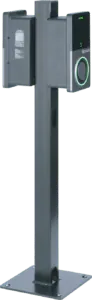
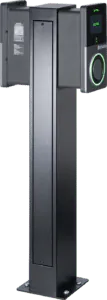
Gen2 Project Pillar Smart AC 7kW

AC Chargers
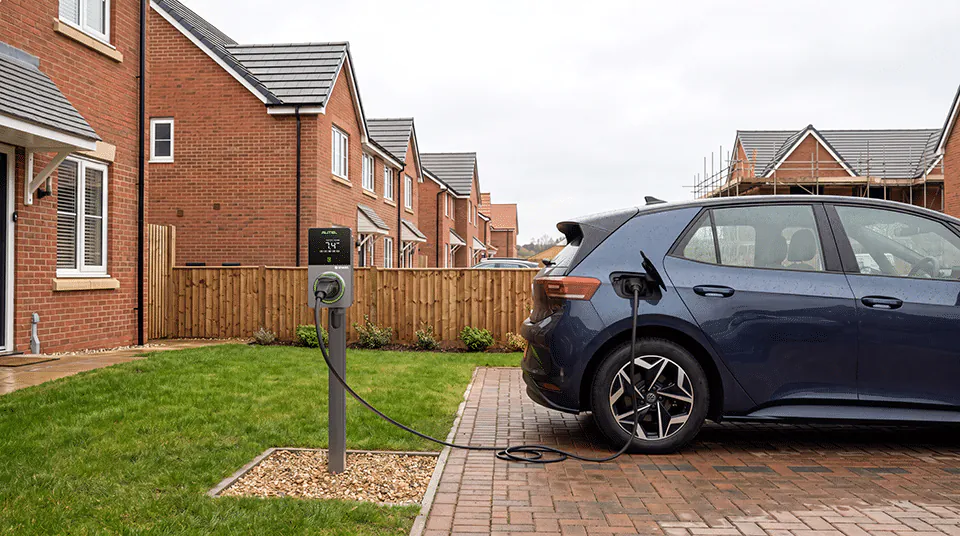
Perfect for simpler residential settings, with full app-based control and a streamlined, screen-free design. Delivering a true tap-and-go charging experience for busy homeowners.
MaxiCharger Gen2 – Smart AC 7.4kW Home EV Charger
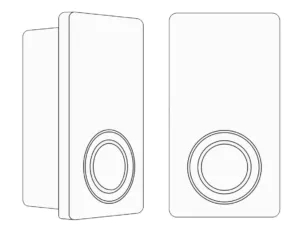
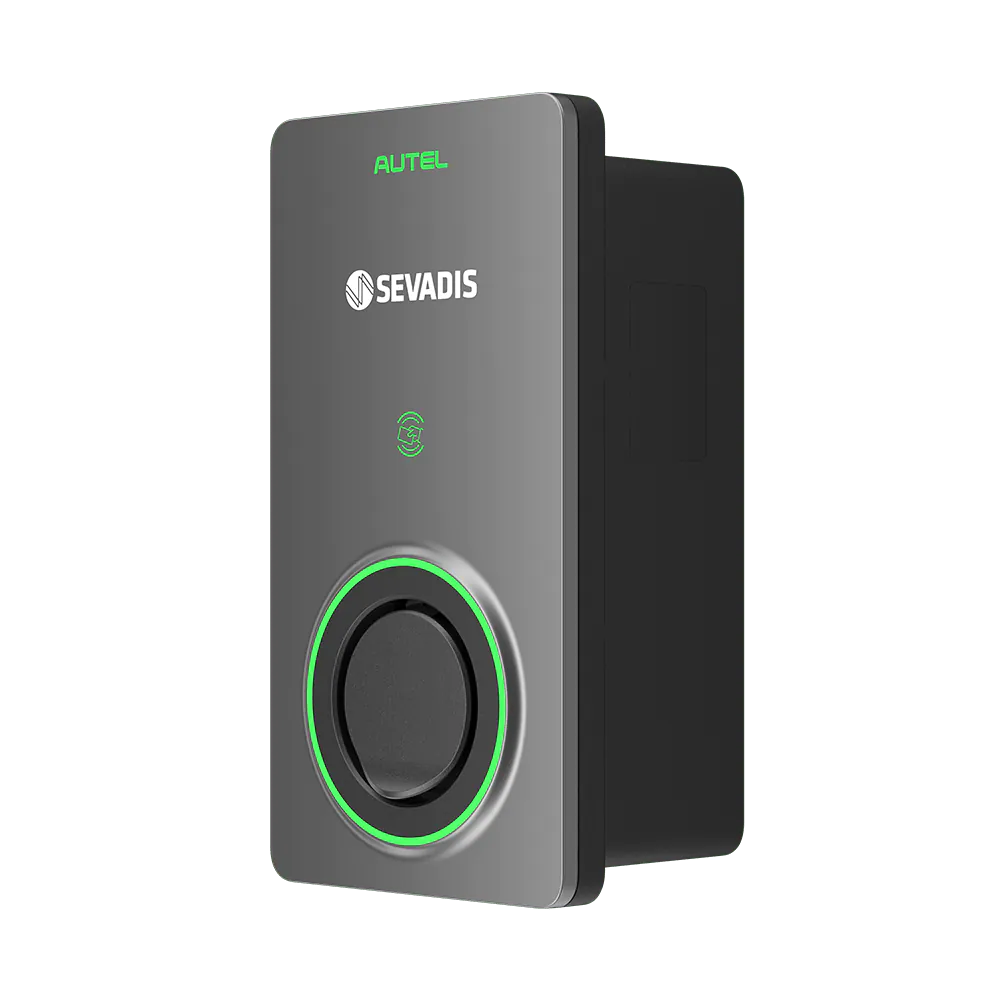
Beyond the charger, with intelligent home energy management. Part S compliance is made easy with our MaxiCharger home ev charger. Smart Charge Point Regulations compliant and Future Homes Standard ready, it combines one-click mounting, Bluetooth commissioning and rapid installation technology for a faster, simpler and more consistent installation. Homeowners also benefit from intelligent energy management features that help minimise charging and household energy costs.
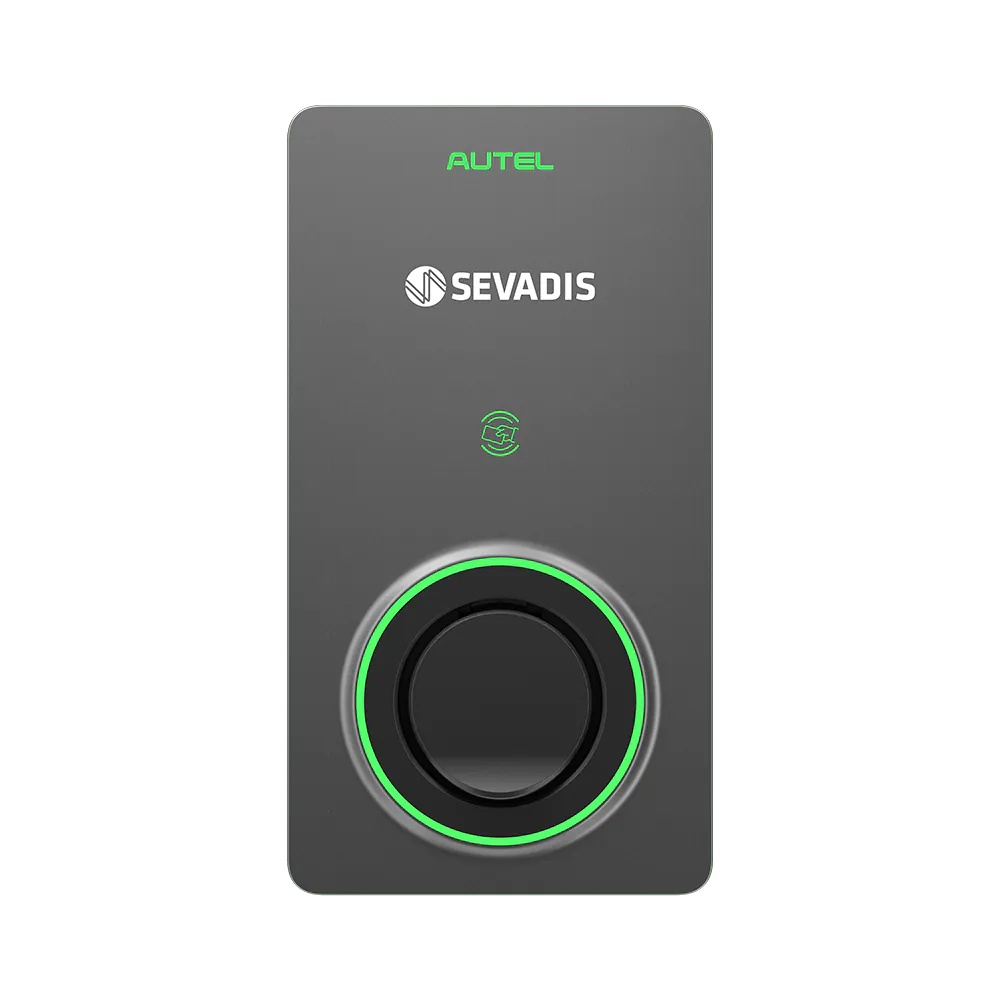
Radio Frequency Identification (RFID), home ecosystem integration (solar and battery storage), energy management app, smart tariff integration, load balancing, rapid installation technology (installer app + SmartDock), tamper alerts, V2X ready.
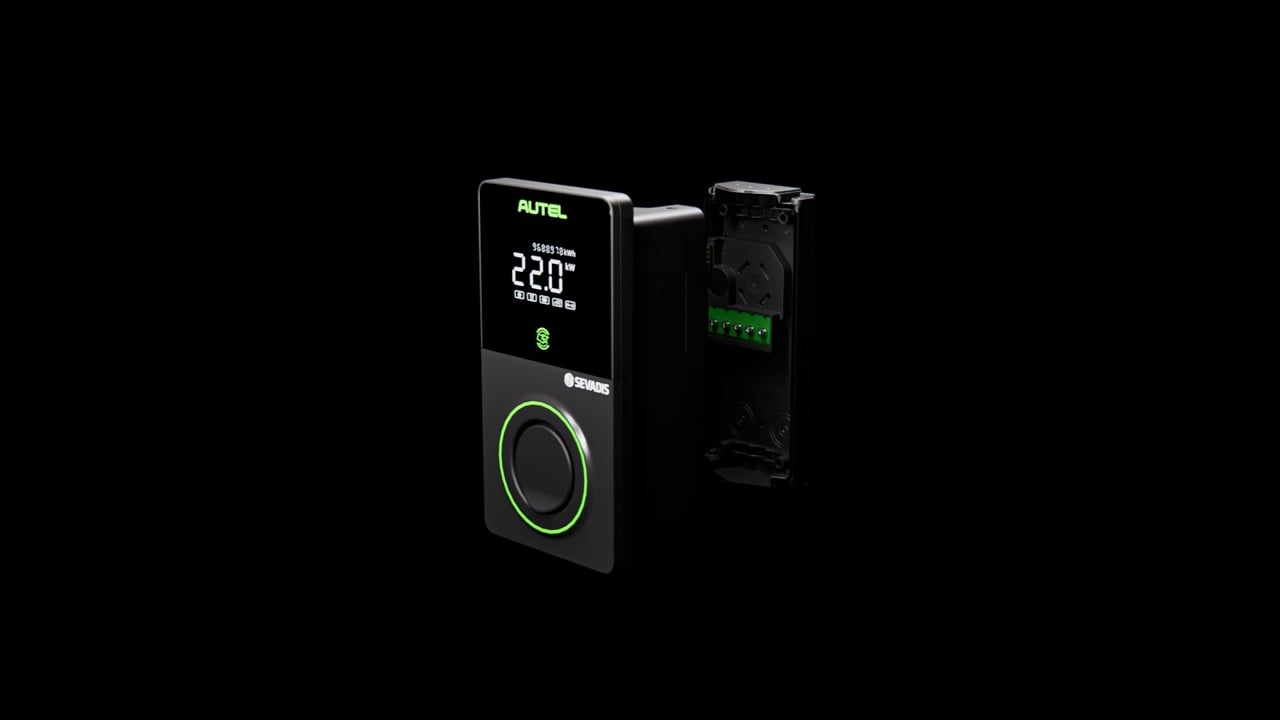
There are several ways to start a charging session with the MaxiCharger Gen2 7.4kW Screenless model.
Plug & Charge provides the simplest experience, simply plug your vehicle in and charging starts automatically. In this mode, the charger remains available for anyone who connects a vehicle. For most domestic driveways, unauthorised use is very unlikely, as someone would need to park on your property and leave their vehicle connected for a prolonged period. However, some users may prefer the additional security of controlling access.
For greater security, the charger can be configured so that charging must be authorised before it begins. A charging session can then be started using the mobile app or an RFID card, giving you control over who can use the charger.
Yes. The Autel Charge app is the primary way to access, control and configure your home charger. It can be downloaded from the Apple App Store or Google Play Store.
Through the app, you can:
If you’re having difficulty adding or connecting to your charger, one of the most common causes is that the charger is still linked to the installer who originally commissioned it.
In most cases, simply contact your installer and ask them to unlink the charger from their account. This is a very quick process and can usually be completed in less than a minute.
Alternatively, contact Sevadis Technical Support, who can help identify the issue and support you with getting connected.
Yes. The Sevadis MaxiCharger Gen2 range supports OCPP connectivity, with support for OCPP 1.6 and, on selected models, OCPP 2.0.1 and 2.1.
Screen-equipped MaxiCharger Gen2 AC commercial models support OCPP 1.6 and OCPP 2.0.1, providing greater flexibility when connecting to compatible EV management and back-office platforms through SmartCloud.
The MaxiCharger Gen2 Screenless supports OCPP 1.6.
The OCPP version used should be matched with the capabilities of the selected back-office platform and charger configuration.
For a typical home with a single-phase electricity supply, Sevadis recommends the MaxiCharger Gen2 7.4kW Screenless charger. It is positioned specifically for home charging and supports direct CT monitoring for household load management and solar integration. Choose the 7.4kW Digital Screen model where a display and MID metering are useful. Your installer should confirm the supply capacity, vehicle charging capability and installation requirements.
For new-build homes with a suitable single-phase supply, Sevadis recommends the MaxiCharger Gen2 7.4kW residential range as a starting point.
SmartDock is particularly suited to new-build developments, allowing the electrical backplate to be installed and wired during construction, with the main charger unit fitted at a later stage. This helps simplify installation, protect the charger during the build and support a more efficient handover to the homeowner.
For homes with a private driveway, the Screenless or Digital model can be selected around the required user experience and smart functionality.
For apartments, shared parking or managed developments, additional requirements such as user access, load management, back-office connectivity and MID metering may need to be considered, particularly where residents are charged based on their kWh energy usage.
Sevadis can help specify the appropriate charger and infrastructure around the development type, parking arrangement, electrical capacity and applicable building requirements.
Yes. Compatible charging solutions can schedule charging around lower-cost electricity periods, helping users take advantage of off-peak or dynamic tariffs. Within residential applications, integration with compatible smart tariffs and energy platforms can enable charging to be shifted automatically towards periods where electricity is cheaper or more readily available.
As a general rule in EV charging, green means the charger is ready or available to use, while blue means a vehicle is connected or charging. This colour convention is commonly used across public charging infrastructure and has also been adopted for home charging, making the charger’s status easy to recognise at a glance.