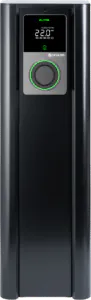
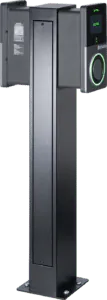
MaxiCharger Gen2 22kW AC EV Charger Digital
22kW
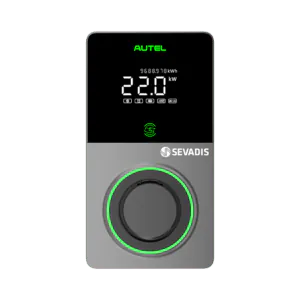
MaxiCharger Gen2 22kW AC EV Charger Digital
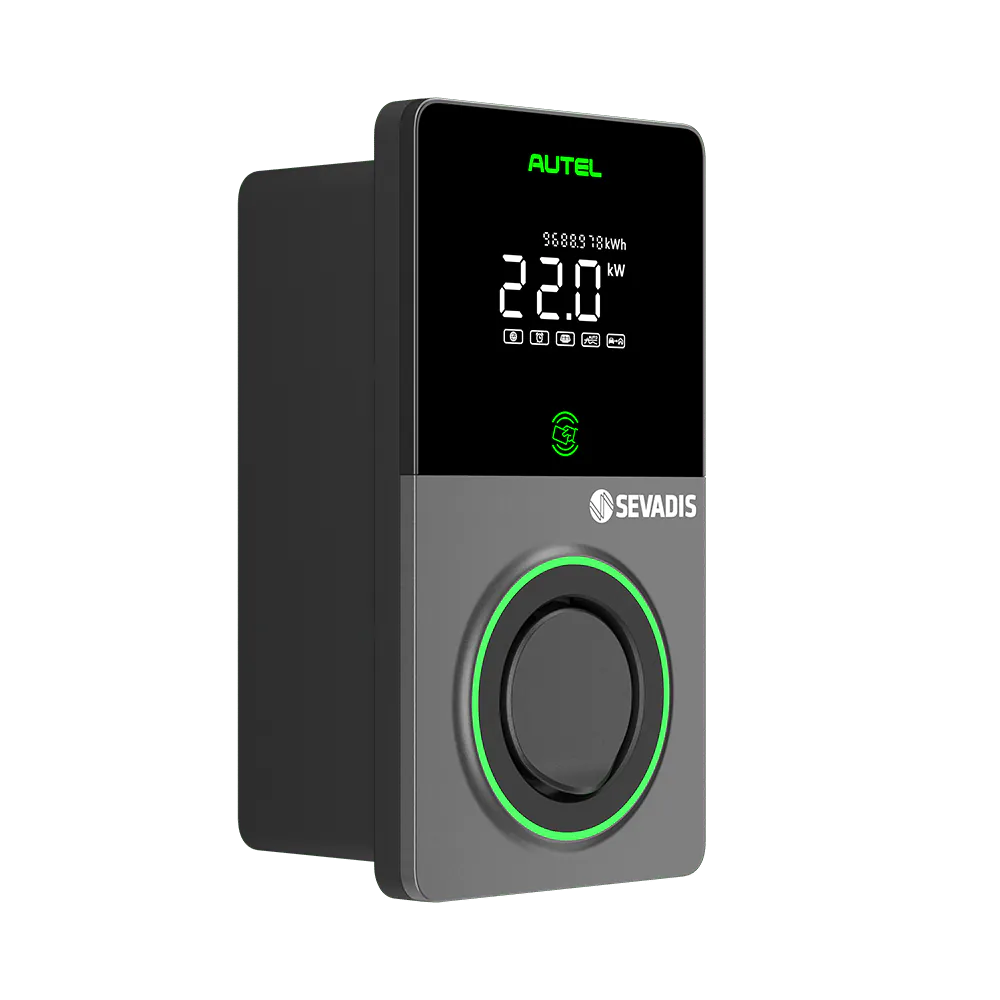
MaxiCharger 22kW AC EV Charger is perfect for workplace charging, shared residential, and fleet environments. Featuring on-screen charging insights, MID metering, and seamless back-office integration for energy and cost control.
Controlled and monitored EV charging for your workplace. Control all your EV chargers from a single back-office management platform. SmartCloud enables seamless integration with your preferred OCPP-compatible software, allowing you to manage user access, billing, tariffs and expenses while monitoring energy usage to support operational efficiency and ESG reporting.
Have a look at our 22kW AC EV Charger models with screens and optional pillar housing.
View Chargers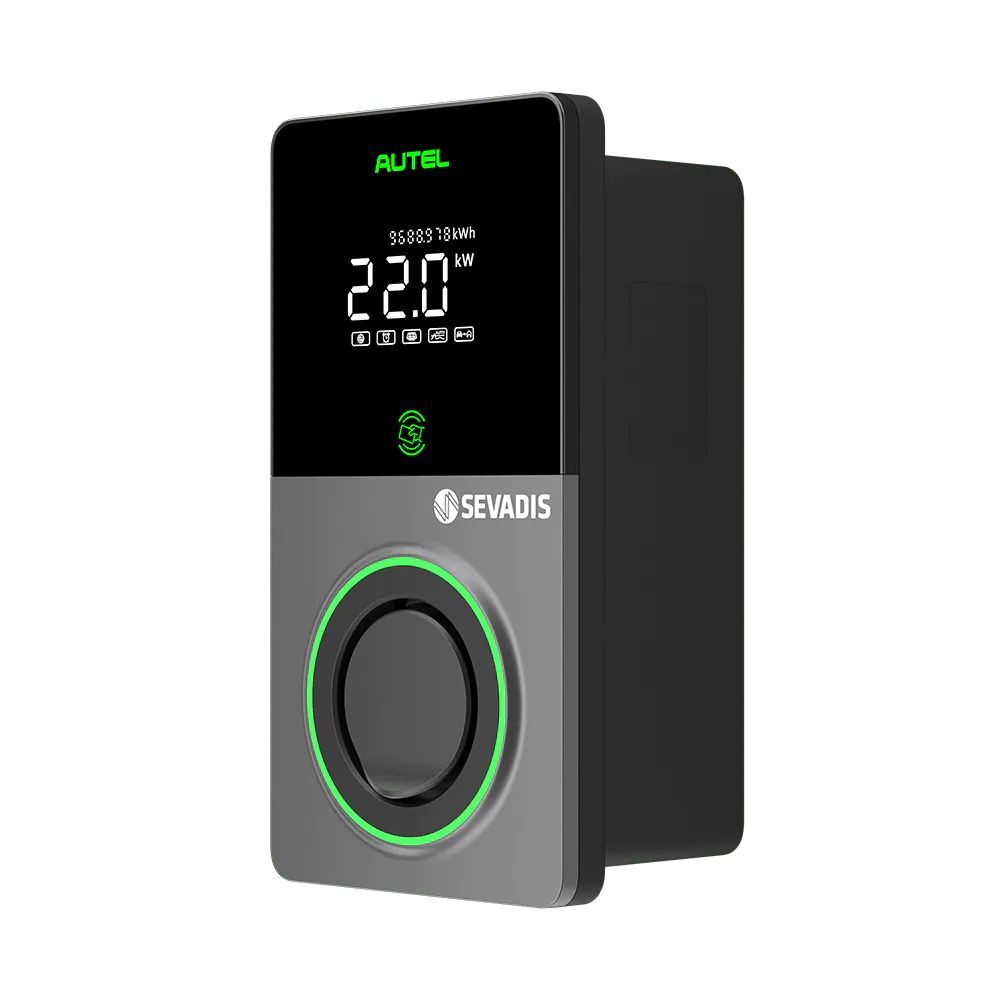
Pricing models, payment options (Google Pay, Apple Pay, credit card, team wallet, charging cards), dynamic pricing, membership models, booking system, user management, fleet tracking, custom user experience, app integration (e.g. Zapmap), LCD advertising revenue, charger health monitoring.




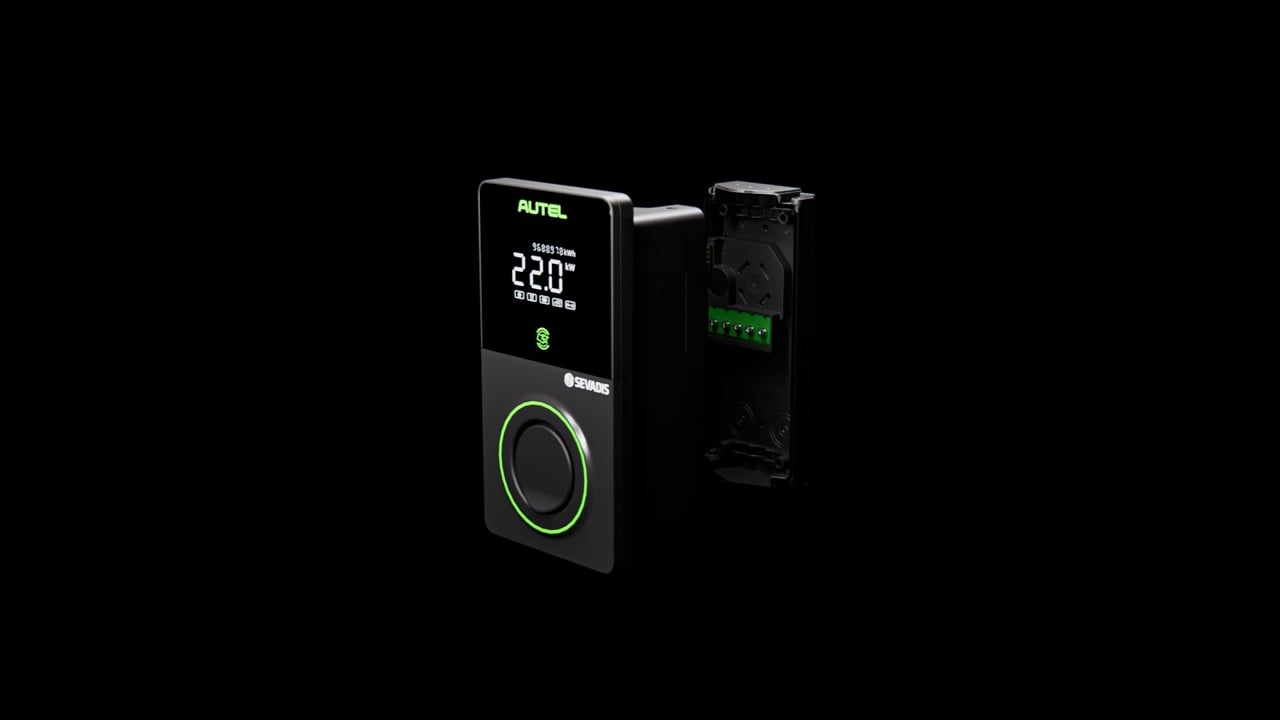
The MaxiCharger Smart AC Digital and LCD 22kW models are ideal for workplace, fleet and shared parking environments. Featuring charging insights, MID-certified metering on applicable models, RFID user authentication and open OCPP connectivity, the platform supports custom billing, user management, fleet charging and multi-site management through leading charge point management systems.
Dynamic load balancing, solar integration, PME fault detection and intelligent energy management further support safe and scalable commercial charging.
Yes, a 22kW AC charger can be installed at a home with a suitable three-phase electricity supply, subject to an installer’s assessment. It also needs a vehicle capable of accepting that AC rate to deliver the expected benefit. Sevadis offers a MaxiCharger Gen2 22kW Digital Screen option. For homes with standard single-phase supplies, the 7.4kW range is the usual starting point.
A nominal 7kW charger typically delivers up to 7.4kW from a single-phase supply; a 22kW AC charger requires three-phase power. The vehicle’s onboard AC charger also limits the charging rate, so a 22kW charge point will not charge every vehicle at 22kW. Sevadis offers MaxiCharger Gen2 7.4kW and 22kW options to match the supply, vehicle and parking time. More than 85% of British homes have a single phase supply, therefore a 7.4kW charger is recommended for residential scenarios, whilst 22kW is most suited to commercial & workplace environments.
Dynamic load balancing adjusts EV charging power in response to the electricity being used elsewhere on a site. Monitoring measures demand so the charging system can operate within a configured supply limit. Sevadis uses direct CT monitoring for documented single-phase home arrangements and SmartBox or SmartSensor arrangements for larger or three-phase installations. The design must set appropriate limits and account for changing demand.
A MID meter is an approved electricity meter that accurately measures the amount of energy delivered through an EV charger.
This is particularly important where drivers are charged based on the number of kWh they use, providing an accurate and transparent measurement for billing.
Screen-equipped Sevadis MaxiCharger Gen2 AC models include MID metering as standard, making them suitable for commercial, workplace and public charging applications where accurate energy measurement and billing are required.
Not every application requires MID-certified metering, but it becomes particularly important where the electricity consumed through the charger needs to be measured accurately for billing, reimbursement or commercial reporting. Compatible MaxiCharger LCD models incorporate MID-certified metering to support these applications
OCPP – Open Charge Point Protocol – is an open communication standard that enables EV chargers to connect with compatible charge point management and back-office systems. Using an open protocol gives businesses greater freedom when selecting software, billing and management providers and helps avoid unnecessary dependence on a single closed ecosystem.
The choice between AC and DC charging largely depends on how long vehicles are parked and how quickly they need to be back on the road.
AC charging is ideal where vehicles are parked for longer periods, such as overnight at a depot or throughout the working day in a staff car park. The longer dwell time allows vehicles to recover the energy they need without requiring high charging speeds.
DC charging is designed to deliver much higher power directly to the vehicle, making it better suited to short turnaround times where vehicles need to recharge quickly and return to operation as soon as possible.
Many fleet and depot sites can use a combination of AC and DC charging, matching charging speed to vehicle dwell times, daily mileage, operational requirements and available site power.
22kW